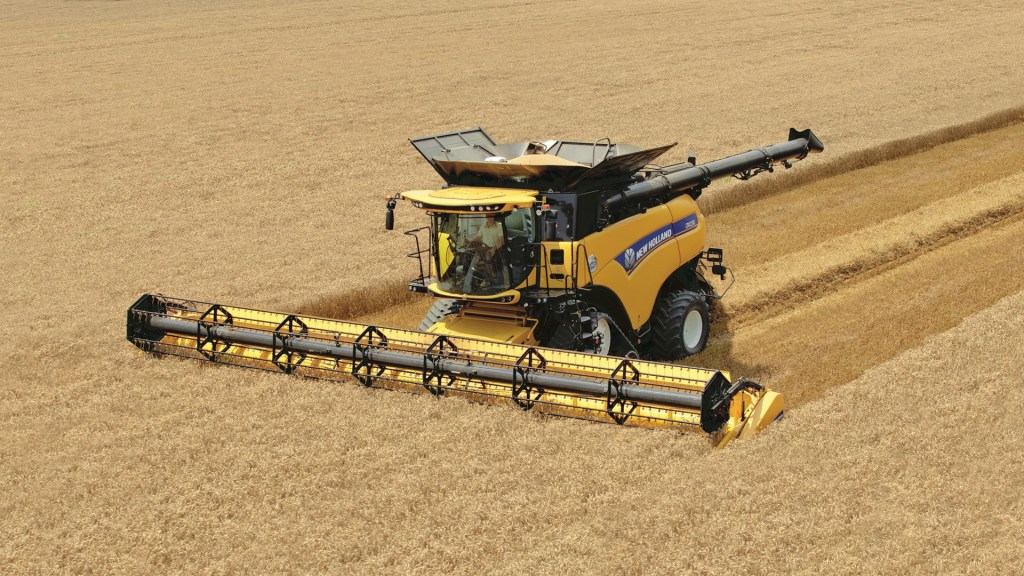
As farming techniques continue to evolve, the introduction of specialised machinery has significantly enhanced efficiency and productivity. Among the most pivotal advancements is the combine harvester, a remarkable piece of equipment that has streamlined the harvesting process worldwide. This article examines the applications of harvesters in various countries, reflecting their importance in modern agriculture.
In the United States, the combine harvester is an essential tool during the busy harvest season. With extensive fields dedicated to crops such as corn, soybeans, and wheat, American farmers rely on these machines to harvest large quantities of grain swiftly and efficiently. Modern combines are equipped with advanced technology, including GPS systems that guide them across fields for even distribution and improved yield. This technology not only saves time but also helps farmers make informed decisions about their agricultural practices based on real-time data.
In contrast, in countries like Brazil, the use of combine harvesters has drastically transformed the agriculture landscape. Brazilian farmers, who have expanded their production capacity for crops such as soy and sugarcane, have adopted these machines to manage vast areas of farmland. The effectiveness of combine harvesters means that farmers can harvest their crops in a short window of time, which is crucial in a tropical climate where rain can impact harvest timing.
In Europe, particularly in countries such as France and Germany, harvesters are becoming increasingly sophisticated, integrating features such as automated steering and crop monitoring systems. These advancements allow farmers to achieve optimal efficiency and productivity while minimising environmental impact. The use of technology-driven harvesters enables farmers to precisely gauge their yield, which is essential in a market that demands high-quality produce with minimal wastage.
In Africa, the adoption of combine harvesters is growing, particularly as countries strive to improve food security. For instance, in countries like South Africa, farmers are increasingly turning to mechanised harvesting methods to enhance their agricultural output. However, the initial investment remains a challenge for many smallholder farmers. To combat this, organisations and governments are working to provide access to affordable machinery and encouraging cooperative farming, enabling groups of farmers to share resources and equipment.
Beyond their efficiency, combine harvesters play a critical role in sustainability. Many modern machines are designed to reduce fuel consumption and emissions, aligning with global climate goals are now more conscientious about the environmental impact of their practices, prompting the development of eco-friendly harvesting technologies. This shift is especially important in regions facing environmental degradation and changing weather patterns. For instance, harvesters now include features that minimise soil disturbance and improve crop residue management, helping preserve soil health and promote biodiversity.
Additionally, the adaptability of combine harvesters allows them to be fitted with different headers, enabling the harvesting of a variety of crops beyond just grains. In Australia, farmers use versatile harvesters equipped to handle crops such as canola, barley, and legumes, demonstrating the flexibility of this machinery to cater to diverse agricultural needs. This versatility not only enhances productivity but also allows farmers to diversify their crop systems, which is vital for economic resilience.
Furthermore, the role of combine harvesters extends into the global agricultural marketplace. As countries like India and Vietnam develop their agricultural sectors, the introduction of modern harvesting technology is crucial for increased production and competitiveness. The efficiency gained through the use of combine harvesters positions these nations to better serve both local and international markets, improving food security and livelihoods.
 countrysideherald.co.uk