Strange countryside traditions have a unique charm, illuminating the quirky and sometimes bewildering aspects of rural life in the UK. These practices often have deep historical roots, reflecting the local culture, beliefs, and lifestyles of those who inhabit the countryside. From unique festivals to peculiar customs, these traditions offer a glimpse into the colourful tapestry of rural communities, revealing how they engage in light-hearted camaraderie while celebrating their heritage.
One such oddity is the famed cheese rolling competition in Gloucestershire, where daring participants chase a wheel of Double Gloucester cheese down a steep hill. This eccentric spectacle, entailing tumbles and tumbles while vying for the cheese, has captivated both locals and tourists alike. While the event has its whimsical roots in ancient customs of celebrating the arrival of spring, it has evolved into a quirky yet thrilling occasion attracting participants from around the world. The cheese rolling embodies the adventurous spirit of the countryside and serves as a reminder of rural community bonding over laughter and friendly rivalry.
Similarly, the ritual of ‘Morris dancing’ holds a significant place in English countryside traditions. Even though it may appear peculiar to outsiders, this lively folk dance steeped in history involves performers dressed in traditional attire, complete with bells, handkerchiefs, and sticks, showcasing intricate movements. Morris dancing celebrates seasonal transitions, agricultural cycles, and local folklore. While its origins are debated, it remains a cherished and vibrant expression of community spirit, with various villages hosting their own teams and competitions, inviting everyone to join in the merriment.
In a rather curious twist, the small village of Fowlis Wester in Scotland celebrates the ‘Hogmanay’ fire festival by burning an effigy of a giant straw goat every New Year. Known as the “Hogmanay Goat,” this unusual custom derives from ancient Scandinavian practices where goat effigies were sacrificed to ensure good fortune for the coming year. The locals parade the goat through the village before setting it ablaze, followed by a lively celebration filled with music, dancing, and, of course, feasting. This peculiar tradition not only marks the end of the old year but also embodies the strong sense of community among villagers, who come together to reflect on the past and welcome the new beginnings with hope and festivity.
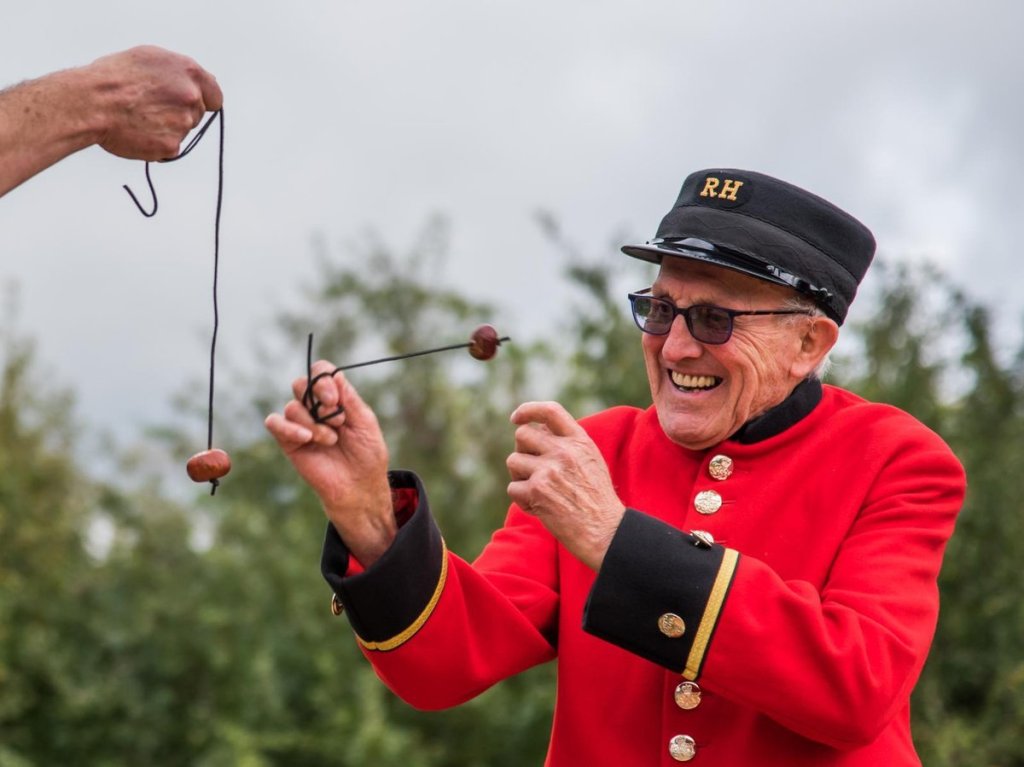
Another intriguing tradition can be found in the village of Barrow Gurney, Somerset, home to the annual “Conker Championships.” Conkers are the seeds of horse chestnut trees, and this time-honoured game involves two players taking turns to strike their conker against their opponent’s, with the aim of breaking it. While the game is simple, it has evolved into a competitive event that draws participants from far and wide, complete with elaborate displays of decorated conkers and spirited rivalries. The Conker Championships capture the essence of playful competition and community spirit, showcasing a rural pastime that has delighted children and adults alike for generations.
Further north, the Scottish celebration of “Up Helly Aa” features a spectacular Viking fire festival held in Shetland. Taking place each January, the event culminates in the burning of a Viking longship, symbolising the historic Norse influence on the archipelago. Participants, dressed as Vikings, march through the streets with torches, creating a breathtaking spectacle of fire and music. With its grand displays and spirited festivities, Up Helly Aa not only celebrates the region’s heritage but also fosters a sense of pride and identity among its residents.
In the quaint village of Morpeth, Northumberland, the annual “Morpeth Fair” features the tradition of “The Morpeth Rattler.” This distinctive custom involves local men dressing as women and parading through the streets to the sound of the town’s brass band. The ceremony, rooted in merrymaking and satire, is a historical nod to the local celebration of harvest. The Morpeth Rattler is one of the many examples of how rural communities engage in playful traditions while allowing for creative expressions of identity and local pride.
These peculiar countryside traditions reflect the rich cultural tapestry of rural life in the UK. Each oddity tells a story of community bonds, celebrations, and histories that connect people to their roots while inviting others to partake in shared experiences. In a rapidly changing world, these quirky customs preserve a sense of identity and contribute to the fabric of rural communities, fostering pride in local heritage. As more people seek authentic connections to the past, these traditions continue to thrive, inviting everyone to join in the fun and celebrate the delightful weirdness of the countryside.
 countrysideherald.co.uk