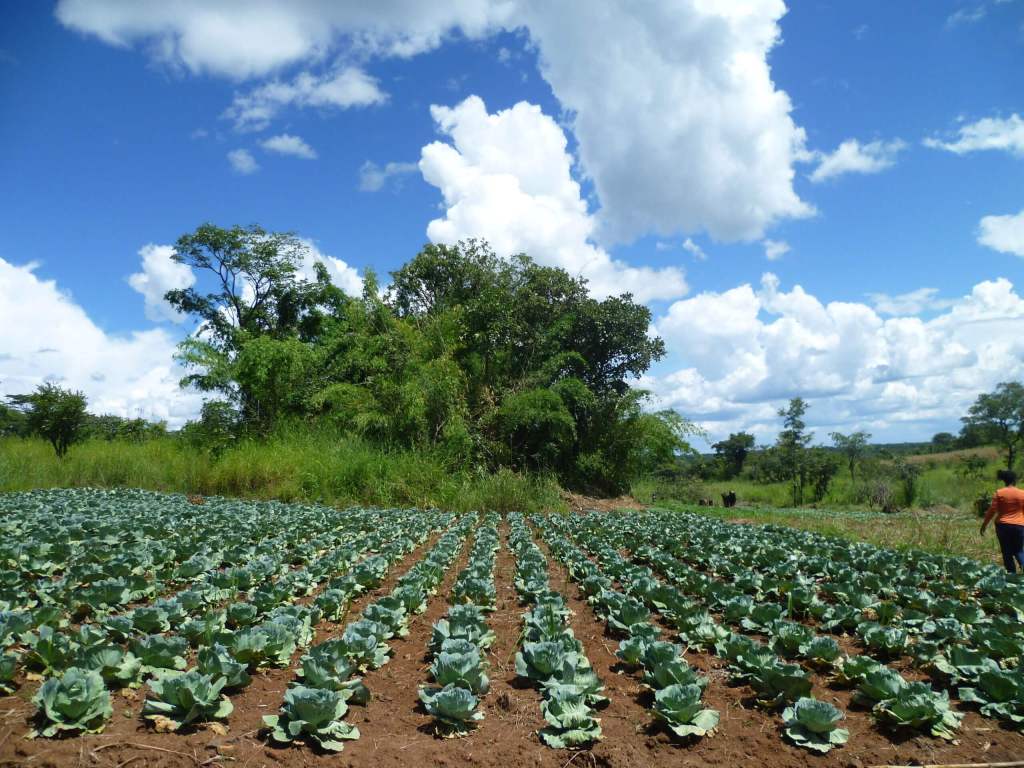
In Indonesia, micro farming is gaining traction as a sustainable agricultural model that meets the needs of local communities while fostering biodiversity and food security. With an archipelagic landscape that varies from lush mountains to coastal areas, Indonesia faces both agricultural challenges and opportunities. Micro farms, often cultivated by smallholders, offer an alternative to conventional large-scale farming that can be detrimental to the environment.
These small farms typically utilise agroecological practices, promoting crop diversity and soil conservation techniques. These methods not only enhance productivity but also reduce the reliance on chemical inputs, which can harm the delicate ecosystems of Indonesia. Indigenous farming practices, such as intercropping and permaculture, are being revived and adapted by micro farmers, allowing them to optimise resource use and increase resilience to climate change.
Additionally, micro farms play an essential role in local economies. They provide fresh food to communities and create livelihoods for families, thus reducing poverty levels in rural areas. Many micro farmers also engage in direct sales to consumers, through farmers’ markets or local cooperatives, ensuring that a larger share of their profits stays within the community.
Public awareness and interest in sustainable living are rising, leading to the establishment of networks that connect micro farmers with consumers and support ongoing education in sustainable practices. Government and NGO initiatives are also beginning to recognise the value of micro farming in achieving food security and promoting environmental stewardship.
The success of micro farms in Indonesia highlights the importance of supporting small-scale agricultural initiatives that prioritise sustainability and community empowerment, contributing significantly to achieving food sovereignty and ecological balance in the region.
 countrysideherald.co.uk