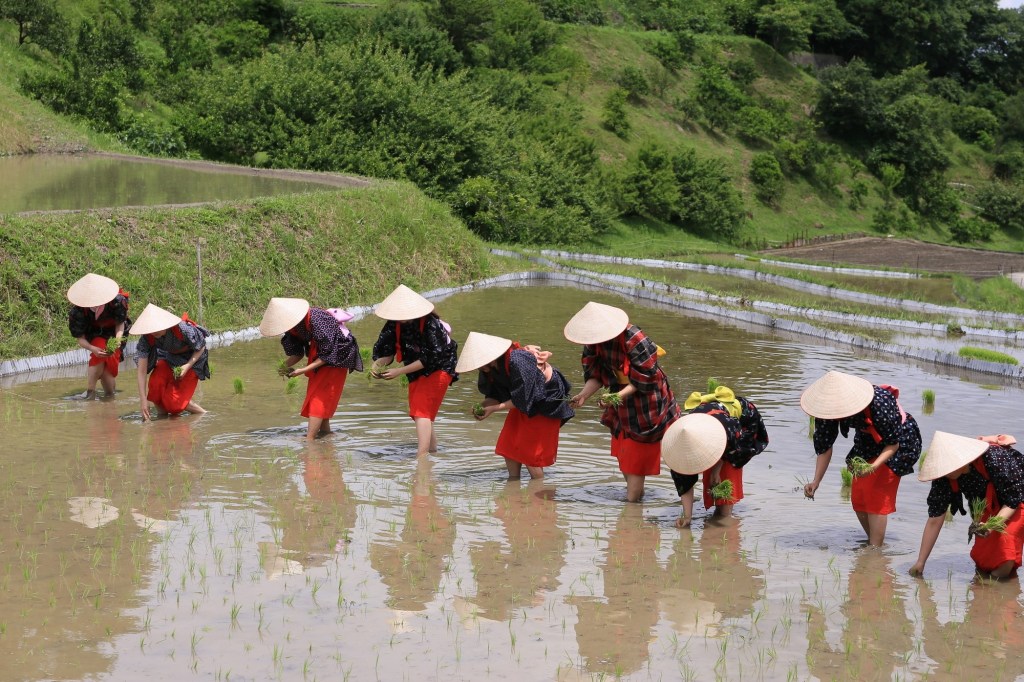
In Japan, rice farming is intricately woven into the cultural fabric of the nation, representing not only a vital food source but also a rich heritage that dates back millennia. The cultivation of rice, or “kome,” is celebrated as an art form, and its production follows traditions that embody the deep respect for nature and the cycles of the earth. Rice paddies are ubiquitous in Japan’s rural landscape, often characterized by terraced fields that create breathtaking views, especially during the planting and harvesting seasons.
The practice of rice cultivation in Japan is tailored to the country’s unique geographical and climatic conditions. Japanese rice is classically grown in flooded fields, or “paddy fields,” which provide the plants with a stable and moist environment. This method not only helps to control weeds but also creates an ecosystem conducive to aquatic life. These rice paddies are vital for biodiversity, fostering a habitat for frogs, insects, and various species of birds, all of which play a role in maintaining the ecological balance.
Traditional rice farming in Japan is deeply influenced by Shinto beliefs, which venerate rice as a sacred symbol of life and prosperity. Festivals honoring rice planting and harvesting, such as the “Tsuukushi Matsuri,” celebrate the agricultural cycle and express gratitude to nature for its bounty. Many farmers still perform rituals during these festivals, invoking blessings for plentiful harvests and expressing respect for the land.
Tiring as it may be, the cultivation of rice is a labor-intensive process that requires significant dedication and skill. Farmers begin preparing the land in early spring, plowing and enriching the soil before flooding the fields to prepare for planting. Traditional Japanese rice varieties, such as “koshihikari” and “aikoku,” are carefully nurtured, reflecting a commitment to high-quality produce that is treasured both domestically and internationally.
However, modern challenges have begun to threaten traditional rice farming practices in Japan. One significant concern is the decline in the number of young farmers willing to take over the family business. As urbanization continues and the allure of city life grows, many young people are leaving rural areas in search of different career opportunities, resulting in an aging farmer population. This demographic shift poses a threat to the future of traditional rice farming, as fewer individuals are left to carry on the revered practices and knowledge that have been passed down for generations.
Additionally, Japan faces mounting pressures from international competition and the push for greater agricultural efficiency. The government has taken steps to support rice farmers through subsidies and marketing programs aimed at promoting domestic rice consumption. However, many farmers still struggle with the economic viability of traditional farming, leading some to adopt modern farming techniques that may compromise the cultural significance of their methods.
Yet, amidst these challenges, several initiatives seek to rejuvenate interest in rice farming and preserve traditional practices. Educational programs and workshops are being implemented to teach sustainable farming methods to younger generations, emphasizing the importance of maintaining cultural heritage alongside agricultural productivity. Community-supported agriculture (CSA) programs are also gaining traction, promoting a deeper connection between consumers and farmers while fostering local economies.
Furthermore, the growing emphasis on food identity and regional specialties has revitalized interest in Japanese rice. Specialty rice varieties are now garnering attention, with localities promoting their unique rice such as “Hokkaido Nanatsuboshi” or “Toyama’s Gohyaku Mangoku.” This focus on regional agriculture not only helps maintain traditional practices but also enhances the marketability of products, appealing to consumers who appreciate authenticity and quality.
The impact of climate change is another critical issue for Japanese rice farmers. Increased temperatures and irregular weather patterns present hurdles that could threaten not only rice yields but also water availability crucial for flooded rice paddies. Many farmers are experimenting with adaptive strategies, such as adjusting planting schedules, investing in drought-resistant rice varieties, and implementing water conservation techniques in hopes of mitigating the effects of climate shifts.
Despite these hurdles, rice farming in Japan demonstrates resilience, rooted in centuries of tradition balanced with modern practice. It symbolizes not only the nutritional backbone of Japanese cuisine—being a key component of everyday meals—but also the deep respect for agricultural practices ingrained in the culture. As Japan moves forward, the preservation of traditional rice farming will require a multifaceted approach that values the intersection of culture, community, and sustainability.
Rice farming in Japan is more than just an agricultural endeavor; it is a vital cultural practice that binds individuals to their history and environment. It embodies a relationship with the land that is both revered and practical, highlighting the importance of preserving traditional methods while adapting to contemporary challenges. As the nation navigates through changes, the efforts to sustain this age-old practice reflect a commitment to honor past traditions while ensuring food security and agricultural resilience for the future.
 countrysideherald.co.uk