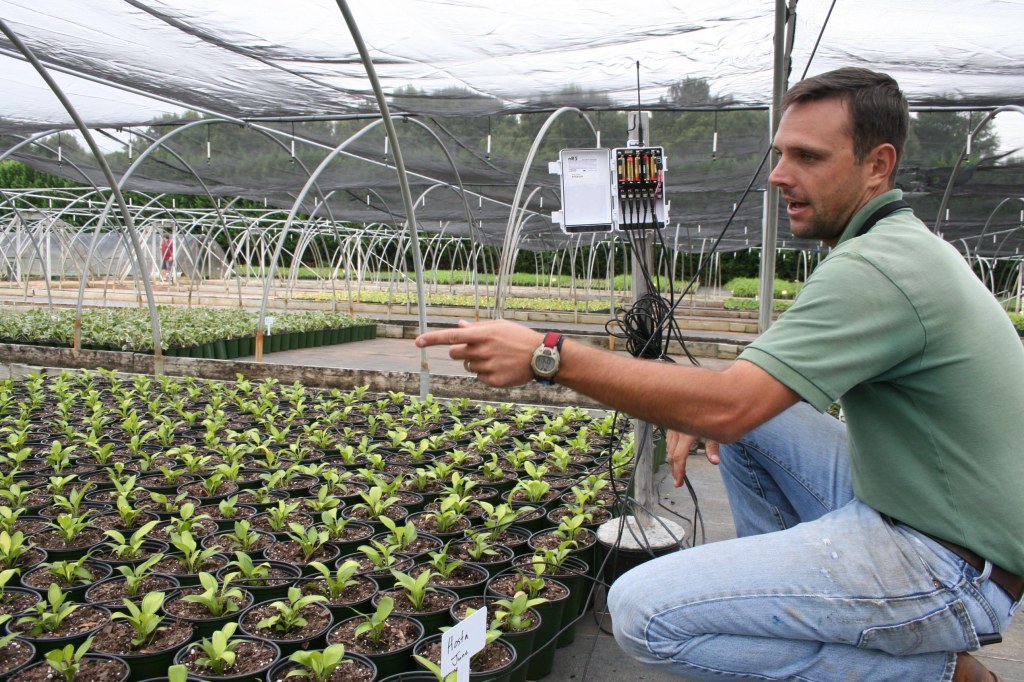
In recent years, the agricultural sector has witnessed a remarkable transformation, thanks to the emergence of precision farming technologies. This article delves into what precision farming is, its benefits, and how it is reshaping traditional farming practices.
Precision farming, also known as precision agriculture, refers to the use of technology to monitor crop and soil health, manage resources more efficiently, and improve overall farm productivity. Technologies like GPS, sensors, drones, and big data analytics have become vital tools for farmers who want to optimise their operations.
One of the most significant advancements in precision farming is the integration of GPS technology. GPS-guided machinery allows farmers to work their fields with unparalleled accuracy, reducing overlap and minimising waste. Drones equipped with multispectral cameras can assess crop health by providing real-time data on vegetation indices, helping farmers make informed decisions on irrigation, fertilisation, and pest control.
Soil health is a crucial element of farming success. Advanced soil sensors allow farmers to monitor various parameters such as moisture levels, nutrient content, and pH balance. Coupled with data analytics, farmers can develop tailored fertilisation and irrigation plans that lead to improved yields while using fewer resources.
Precision farming not only enhances productivity but also promotes sustainability. By applying inputs only where needed, farmers can reduce chemical runoff and preserve local ecosystems. The article will also explore how these technologies can help farmers adapt to changing climate conditions and increase resilience against adverse weather events.
While precision farming offers numerous advantages, barriers such as high costs and training requirements exist. The article concludes with insight into emerging technologies like artificial intelligence and machine learning and their potential impact on the future of farming.
 countrysideherald.co.uk