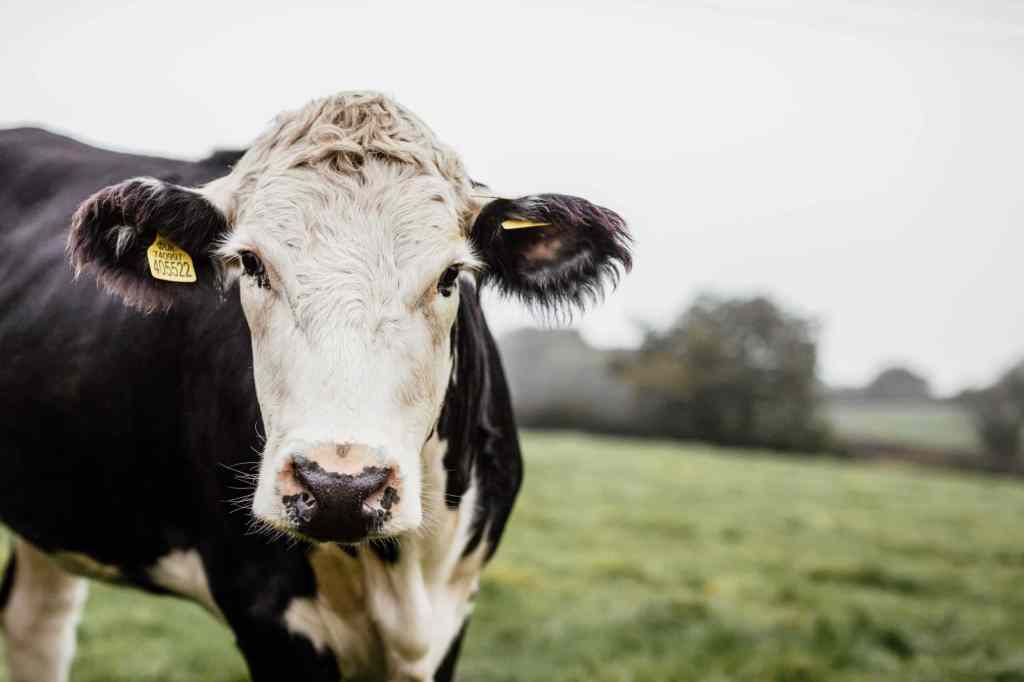
In the UK, preserving heritage breeds of livestock is an essential aspect of maintaining farm biodiversity and cultural heritage. These traditional breeds, which have been raised for centuries, possess unique characteristics that make them well-suited to specific environments and farming systems. However, many of these breeds are now at risk of extinction due to the dominance of commercial breeds.
Heritage breeds are often hardier and more resilient than their commercial counterparts. They have adapted to local conditions and can thrive in environments where modern breeds might struggle. For example, the British Longhorn, with its distinctive curved horns and rugged constitution, is well-suited to grazing on rough pastures. Similarly, the Tamworth pig, known for its reddish coat, is an excellent forager and can thrive in outdoor systems.
These breeds also play a crucial role in maintaining genetic diversity within livestock populations. Genetic diversity is vital for the health and resilience of animal populations, as it allows them to adapt to changing conditions and resist diseases. By preserving heritage breeds, farmers help ensure that this valuable genetic pool is not lost.
Efforts to preserve heritage breeds are supported by organisations such as the Rare Breeds Survival Trust (RBST), which works to promote and protect these animals. The RBST maintains a watchlist of rare breeds and provides resources and support to farmers who choose to raise them. Additionally, the organisation conducts research and raises awareness about the importance of conserving these breeds.
Consumers can also play a role in preserving heritage breeds by choosing to buy products from farms that raise them. By supporting farmers who are committed to conservation, consumers help create a market for these traditional breeds and encourage their continued existence.
Preserving heritage breeds is not just about maintaining a link to the past; it is also about ensuring a sustainable and diverse future for farming. These breeds represent a vital part of our agricultural heritage and contribute to the resilience and adaptability of the farming sector.
 countrysideherald.co.uk