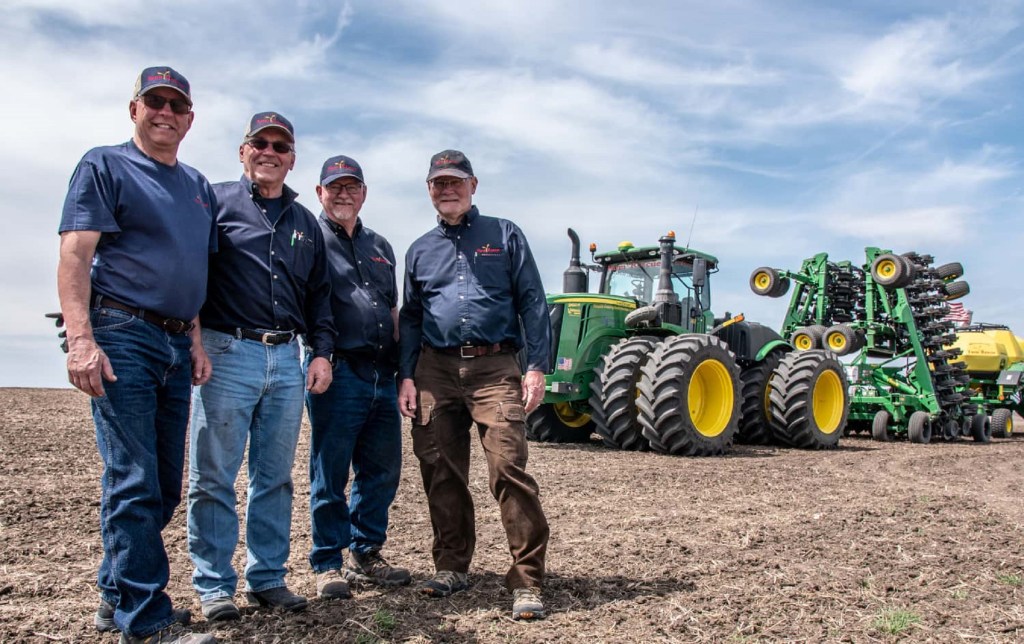
The Midwest, often referred to as the “Heartland” of the United States, is synonymous with agriculture. This region, encompassing states like Iowa, Illinois, Indiana, and Ohio, is characterized by its fertile soil and flat terrain, making it one of the most productive agricultural areas in the world.
The Midwest is particularly known for its corn and soybean production. Corn, often referred to as “maize” in other parts of the world, is a staple crop in this region. It is used for various purposes, including animal feed, ethanol production, and as a food ingredient. Soybeans, another major crop, are processed into oil and meal, which are vital components in animal feed and human food products.
Livestock farming is also significant, with beef and dairy cattle, pigs, and poultry being the primary animals raised. The integration of crop and livestock farming allows for efficient use of resources, as animal manure can be used to fertilize fields, enhancing soil fertility.
Farming in the Midwest has seen significant advancements due to technology. Precision agriculture, which involves using GPS and data analytics, allows farmers to optimize planting, fertilizing, and harvesting processes. This technological edge helps in improving yields, reducing waste, and managing resources more efficiently.
The adoption of genetically modified organisms (GMOs) has also played a crucial role in boosting crop production. GMOs are designed to be more resistant to pests, diseases, and environmental conditions, thereby ensuring higher productivity.
Despite its strengths, Midwest farming faces several challenges. Climate change poses a significant threat, with unpredictable weather patterns affecting crop yields. The region has experienced increased instances of extreme weather events, such as floods and droughts, which can devastate crops and livestock.
Soil degradation and nutrient runoff are other pressing issues. Intensive farming practices can lead to soil erosion and loss of fertility. Moreover, the use of fertilizers often results in nutrient runoff, which contaminates water bodies and creates “dead zones” where aquatic life cannot survive.
To combat these challenges, many Midwest farmers are adopting sustainable practices. Cover cropping, conservation tillage, and crop rotation are some methods used to maintain soil health and reduce erosion. Additionally, integrated pest management (IPM) practices help in reducing the reliance on chemical pesticides, promoting a healthier ecosystem.
Farmers are also exploring renewable energy sources like wind and solar power to reduce their carbon footprint. Biofuels produced from corn and soybeans contribute to a sustainable energy future by providing alternatives to fossil fuels.
Farming in the Midwest remains a cornerstone of the United States’ agricultural output. The region’s rich soil and advanced farming techniques continue to drive high productivity. However, addressing the environmental challenges through sustainable practices is crucial to ensuring the long-term viability of agriculture in this vital region. The balance between technology, tradition, and sustainability will define the future of Midwest farming, keeping the Heartland productive and resilient.
 countrysideherald.co.uk