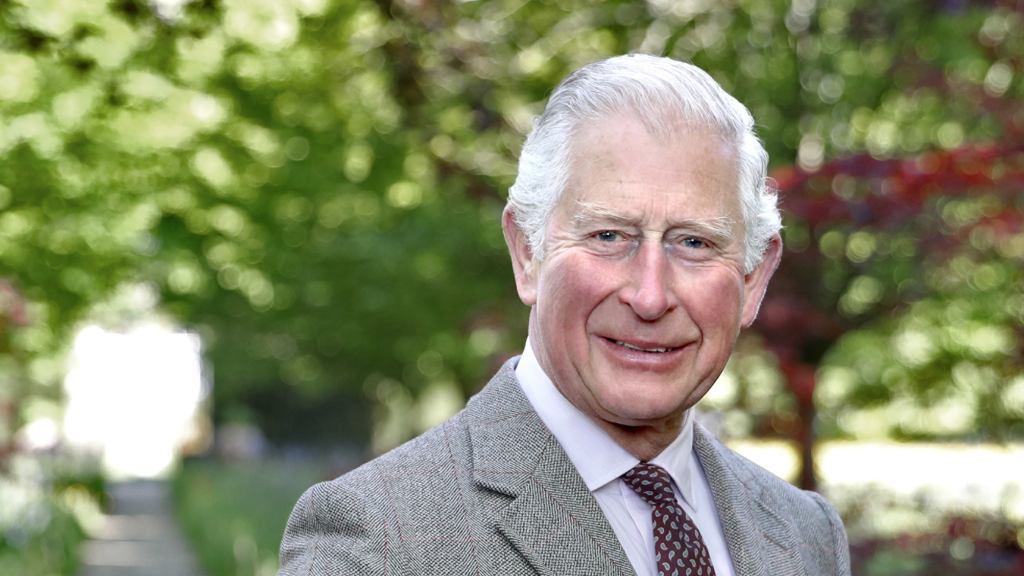
King Charles III has long been known for his deep-seated passion for environmental conservation and sustainable development. Throughout his life, he has championed causes related to the preservation of natural habitats, the promotion of organic farming, and the revitalization of rural communities. With his ascension to the throne, King Charles III has the potential to further elevate these issues and enact positive change for the English countryside.
1. Environmental Stewardship:
King Charles III’s commitment to environmental stewardship is likely to influence his approach to countryside preservation. He has been a vocal advocate for sustainable land management practices, biodiversity conservation, and climate resilience. As monarch, he may use his platform to raise awareness about the importance of protecting rural landscapes, supporting initiatives that promote rewilding, habitat restoration, and the creation of green spaces for both people and wildlife.
2. Traditional Farming and Agriculture:
Prince Charles has long been a proponent of traditional farming methods and organic agriculture. He has expressed concerns about the environmental and health impacts of intensive farming practices and the excessive use of pesticides and fertilizers. As king, he may support initiatives that promote agroecological farming systems, encourage small-scale farming enterprises, and preserve heritage breeds and crop varieties unique to the British countryside.
3. Heritage Conservation:
The English countryside is rich in cultural heritage, with historic estates, rural villages, and ancient woodlands that are integral to the nation’s identity. King Charles III may prioritize the preservation of these heritage assets, supporting initiatives to safeguard listed buildings, protect archaeological sites, and maintain the character of rural landscapes. His passion for architectural conservation and traditional craftsmanship could inspire efforts to revitalize historic properties and promote sustainable tourism in rural areas.
4. Community Engagement and Well-being:
Rural communities play a vital role in shaping the character and vitality of the countryside. King Charles III may seek to engage with local residents, farmers, and landowners to understand their concerns and aspirations for the future. By fostering dialogue and collaboration, he could support initiatives that enhance community resilience, promote rural economic development, and improve access to essential services such as healthcare, education, and transportation.
5. Educational Outreach and Public Awareness:
As a prominent advocate for environmental education and awareness, King Charles III may use his position to promote understanding and appreciation of the natural world. He could support educational programs that connect people with nature, encourage outdoor learning opportunities, and inspire the next generation of environmental stewards. By fostering a culture of environmental responsibility and respect for the countryside, he could leave a lasting legacy of conservation for future generations.
In conclusion, while the specifics of King Charles III’s reign and his impact on the countryside remain uncertain, his long-standing commitment to environmental conservation and sustainable development suggests that he may continue to advocate for countryside preservation as monarch. With his influence and platform, he has the potential to advance initiatives that protect and enhance the beauty, biodiversity, and cultural heritage of the English countryside for generations to come.
 countrysideherald.co.uk