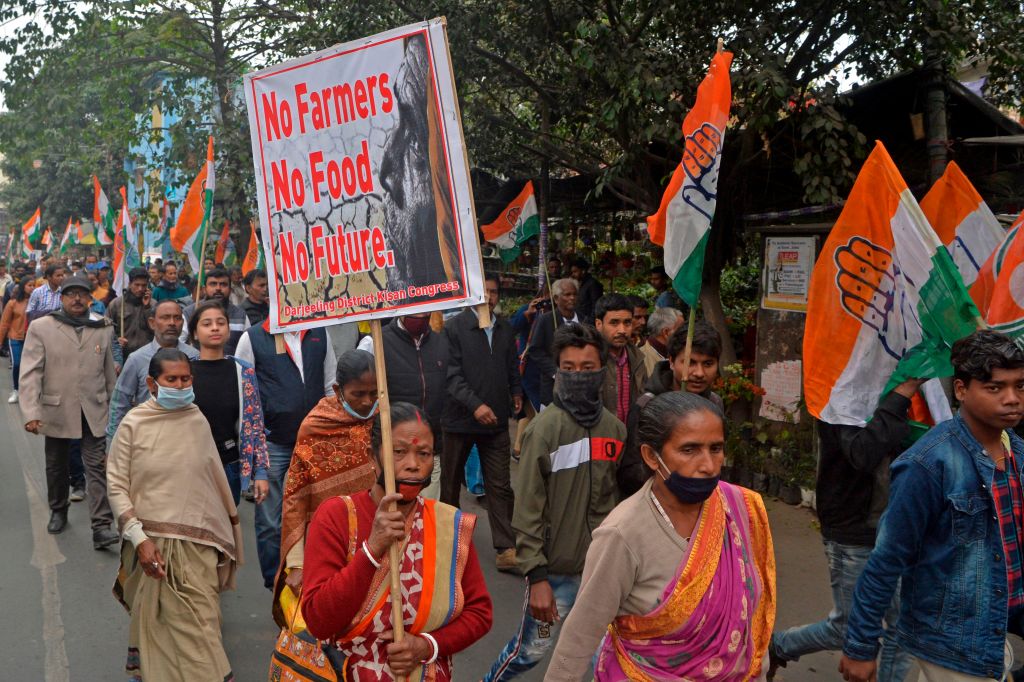
The farmer protests in India are primarily centered around three agricultural reform laws introduced by the Indian government. These laws, known as the “Farm Bills,” aim to bring about changes in the agricultural sector, with the government stating that the reforms are intended to liberalize the agricultural market, provide farmers with more options, and increase their income. However, the laws face significant opposition from farmers and various groups.
The key concerns raised by the protesting farmers include:
- Minimum Support Price (MSP): Farmers were apprehensive about the potential impact of the new laws on the Minimum Support Price (MSP) system. The MSP is a government-set price at which it guarantees to purchase crops from farmers. Farmers were worried that the liberalization of trade might undermine the MSP, leaving them vulnerable to exploitation by private buyers.
- Contract Farming: The laws promoted contract farming, allowing farmers to enter into agreements with agribusinesses and corporations for the production and supply of agricultural produce. Some farmers were concerned that this might lead to an imbalance of power, with large corporations having undue influence over the pricing and terms of agreements.
- Essential Commodities Act: Changes to the Essential Commodities Act were also a point of contention. The amendments aimed to reduce government intervention in the stocking and pricing of essential commodities. However, farmers were concerned that it might lead to hoarding and exploitation by private entities.
- Lack of Consultation: Many farmers felt that the government did not adequately consult them before passing the laws. The perceived lack of stakeholder consultation and the speed with which the bills were passed contributed to the discontent.
The farmer protests gained widespread attention and support, with farmers organizing large-scale demonstrations, particularly in the states of Punjab and Haryana. The protests involved peaceful marches, road blockades, and sit-ins. The movement drew attention not only within India but also internationally, with various personalities and organizations expressing solidarity with the farmers.
 countrysideherald.co.uk