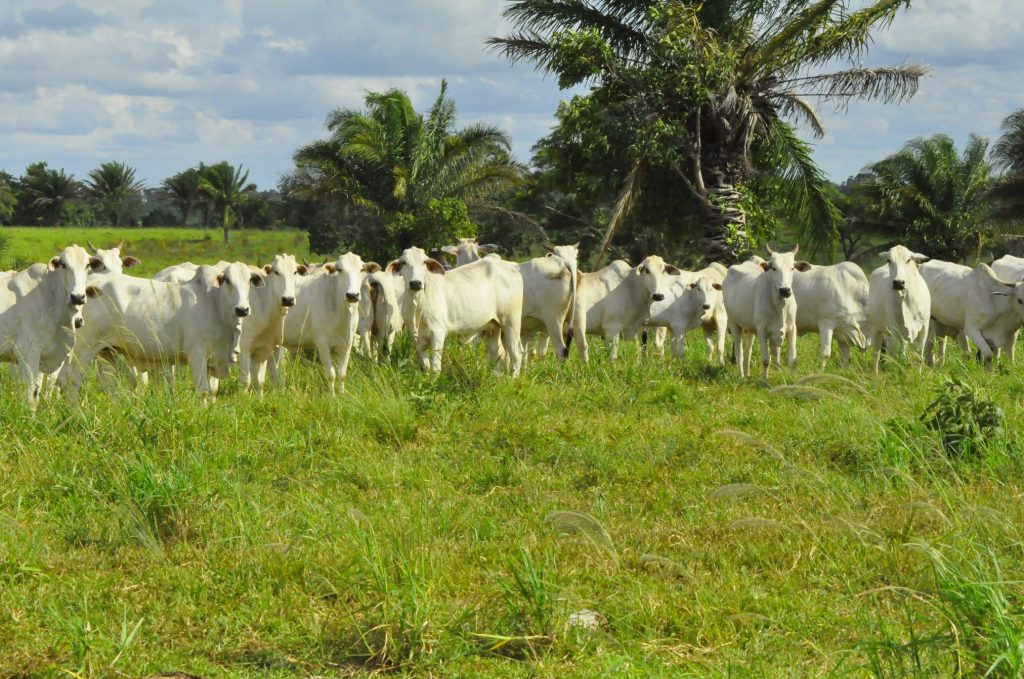
In recent years, the global demand for sustainable practices across industries has intensified, and agriculture is no exception. Among the various sectors, the beef industry has faced particular scrutiny due to its significant environmental impact. Brazil, renowned for its lush landscapes and thriving agricultural sector, has been navigating this challenge while striving to uphold sustainable practices in its beef production.
Nefertith Esteves comes from a family with a steeped history in mining and farming the lands of Brazil. Her vast cattle ranches in the states of Tocantins and Mato Grosso focus on sustainable beef production and she is confident that the Brazilian product is hard to beat:
“Just look at the lush terrain. What is there not to like? We focus our ranches on producing the beef that we can export around the world and these days that means being green and focusing on a sustainable process from nurture to transport to slaughter.”
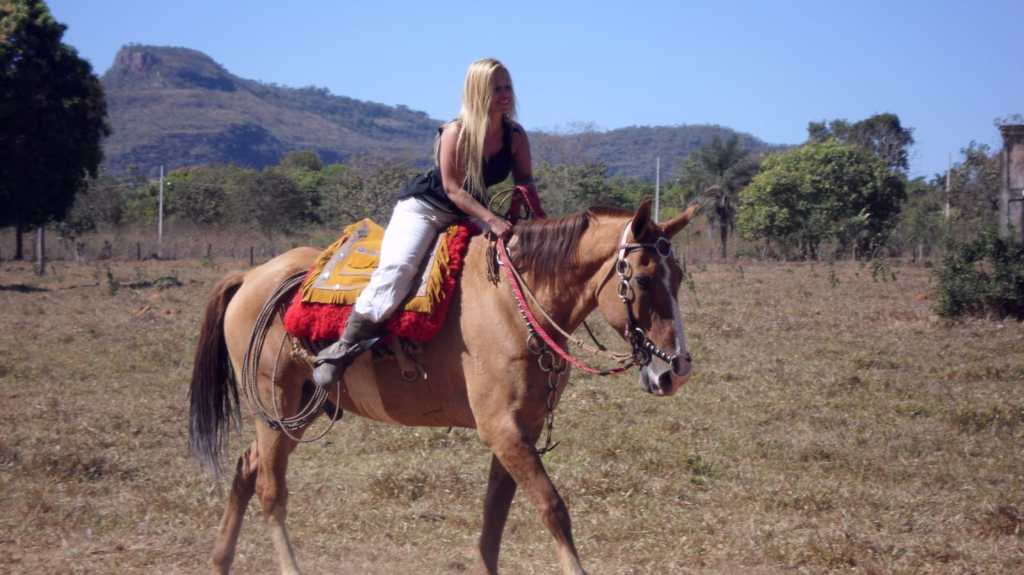
Nefertith Esteves
Certainly, Brazil stands as one of the world’s largest beef producers and exporters, boasting vast expanses of fertile land ideal for cattle ranching. However, the rapid expansion of the beef industry has historically been associated with deforestation, biodiversity loss, and greenhouse gas emissions. Recognizing the urgency of addressing these issues, Brazil has undertaken substantial efforts to promote sustainability within its beef sector.
Central to Brazil’s sustainable beef initiatives is the preservation of its precious ecosystems, particularly the Amazon rainforest and the Cerrado savanna. These regions, vital for biodiversity and climate regulation, have faced significant threats from agricultural expansion. In response, organizations, governmental bodies, and stakeholders have collaborated to implement measures aimed at curbing deforestation and promoting responsible land use.
One such initiative is the Brazilian Cattle Agreement (GTPS), a multi-stakeholder platform that brings together producers, retailers, civil society, and government representatives to promote sustainable practices. Through the GTPS, participants commit to zero deforestation, land regularization, and adherence to environmental legislation, fostering a culture of transparency and accountability within the industry.
Certification programs play a pivotal role in verifying sustainable beef production practices and providing assurance to consumers. In Brazil, initiatives like the Brazilian Roundtable on Sustainable Livestock (GTPS) and the Roundtable on Sustainable Beef (RSB) offer certification standards that encompass environmental, social, and economic criteria.
These standards cover various aspects of beef production, including land management, animal welfare, and worker rights. By adhering to certified practices, producers can differentiate their products in the market while contributing to broader sustainability goals.
“The GTPS is helpful,” continues Mrs Esteves, “but Brazil is so vast and cattle ranchers are so busy that sometimes the new directives are not fully understood or incorporated. There has been progress and the modern, sustainable operations like ours support these kinds of directives.”

Nefertith Esteves on her family ranch in Mato
Advancements in technology have empowered Brazil’s beef industry to improve efficiency and reduce its environmental footprint. Precision agriculture techniques, such as satellite imaging and GPS-guided equipment, enable producers to optimize land use and minimize resource inputs.
Furthermore, innovations in livestock management, such as rotational grazing and feed supplementation, enhance productivity while mitigating environmental impacts. By harnessing technology, Brazilian producers can achieve higher yields with fewer resources, fostering a more sustainable and resilient industry.
Despite significant progress, Brazil’s sustainable beef industry still faces challenges on various fronts. Encouraging widespread adoption of sustainable practices, particularly among small-scale producers, remains a persistent challenge. Additionally, economic pressures and market dynamics can pose barriers to sustainability efforts, highlighting the need for supportive policies and incentives.
However, amidst these challenges lie abundant opportunities for further innovation and collaboration. By harnessing the country’s rich natural resources and entrepreneurial spirit, Brazil can continue to lead the way in sustainable beef production, setting a positive example for the global agricultural community.
Brazil’s journey towards a more sustainable beef industry exemplifies the intersection of environmental stewardship, economic development, and social responsibility. Through collaborative initiatives, certification programs, and technological innovation, the country has made significant strides in balancing the demands of agricultural production with the imperative of environmental conservation.
As the world grapples with the challenges of feeding a growing population while preserving the planet’s finite resources, Brazil’s experience offers valuable insights and inspiration. By embracing sustainability as a guiding principle, the Brazilian beef industry not only safeguards its natural heritage but also paves the way towards a more resilient and equitable future for all.
 countrysideherald.co.uk
You must be logged in to post a comment.